
Coral reef Research, Conservation and Restoration Program- Reef Keeper
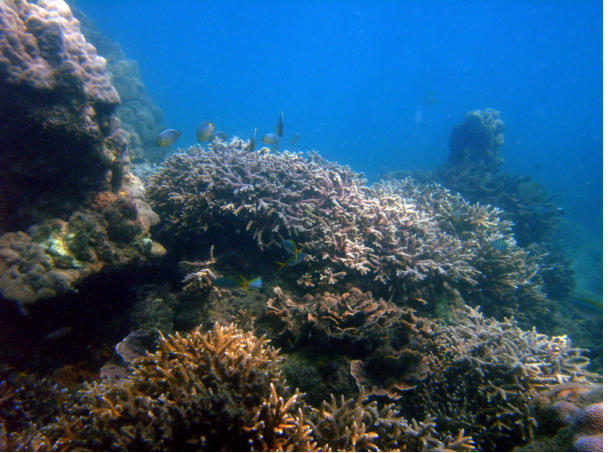







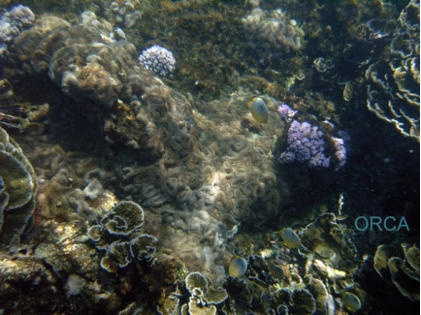
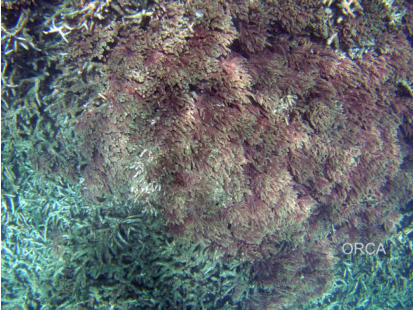
Invasive Algae Asperogopsis sp.
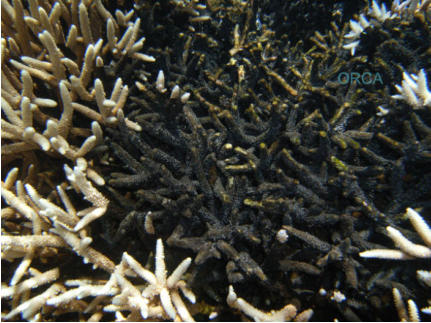
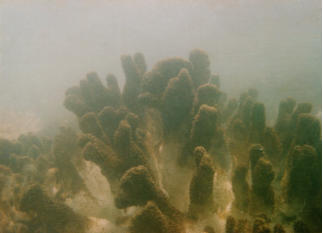
Invasive species. - Encrusting black sponge
(c.f. Terpios.sp)
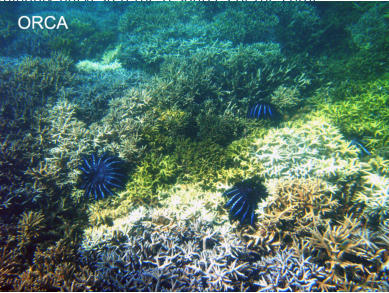
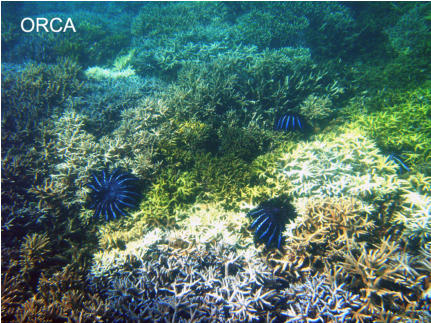
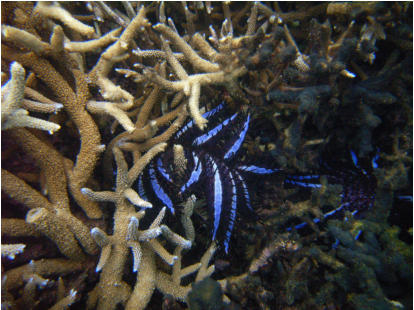
Invasive species - Crown of Thorns- Sea-star
Acanthaster planci is becoming the species of
most concern again in the East Coast reefs
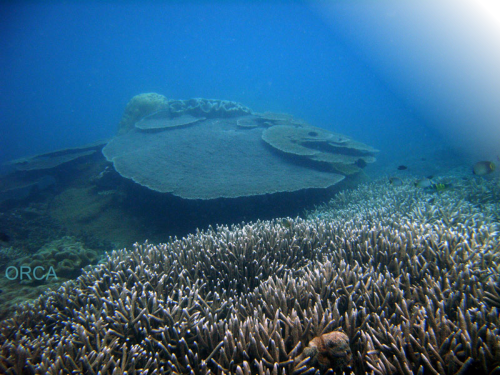
Shores of Sri Lanka is rich in marine resources and
Bio-diversity, Historically the coastline was encircled
by a ring of reefs from very shallow to great depths
and from rich Coral to sandstone reefs.
True coral reefs live in shallow coastal waters in Sri
Lanka and contain a high bio-diversity, productivity
and aesthetics. Though local populations have
sustainably harvested the resources of the coral
reefs for centuries the changing fishery practices,
levels of extraction, Pollution, Coastal development
and visitor pressure has began taking a heavy toll on
the reefs.
In addition to the human impacts the reefs have
been subjected to severe natural catastrophes
including Coral bleaching events, Tsunami, Severe
storms and infestations of invasive reef organisms.
Sri Lanka has lost most of her once glorious coral
reefs. All major coral reefs in the South and West
coasts are now highly degraded or extinct. Good
coral reefs survive only in the East coast and the
North-west of the country which was kept safe from
human impacts for decades due to the War.
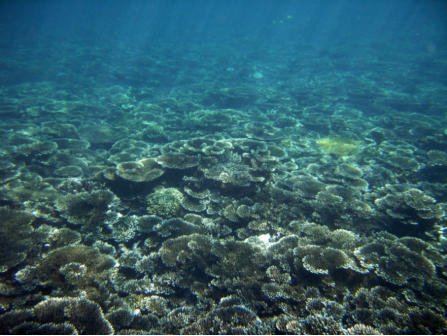
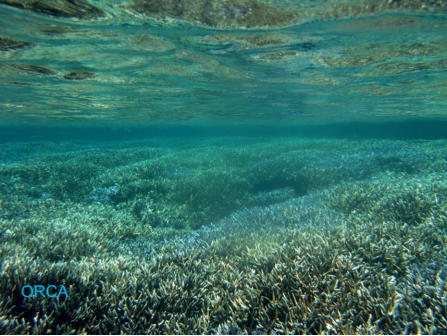







The Indian Ocean wide Coral
bleaching/Mortality event dealt
unprecedented devastation to the Coral
reefs of Sri Lanka.
The reefs of the Southern, Western and
South eastern sea boards suffered heavy
damage with many reefs becoming
extinct, ones that survived had suffered
severe damage and lost most of their live
coral cover and associated bio-diversity.
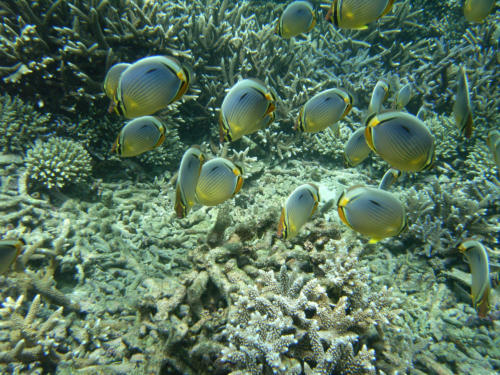
The once reef dominant Stag horn corals
were all but extinct in the South causing
extensive re-modelling of structural and
habitat frame work of the surviving reefs.
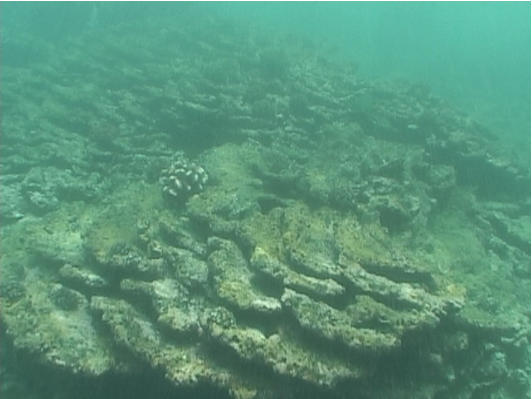
Most southern reefs became nothing more
than vast coral graveyards. with time the
degrading dead coral caused another
catastrophe by breaking up in to massive
quantities of coral rubble which covered
most reef surfaces available for
recolonisation. the unstable reef
substrates prevented recovery of reef
areas as well as the impact of suspension
of the coral fragments with storm waves
which caused severe impact damage to
surviving corals in the reef areas.
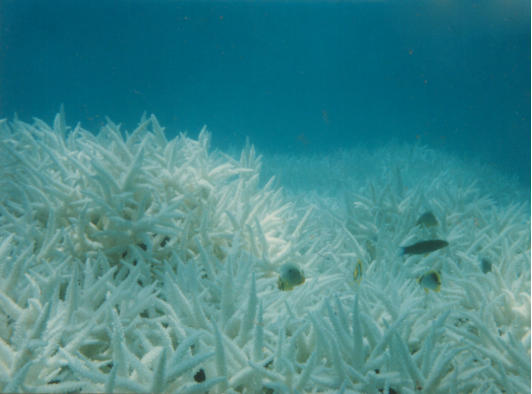
the 1998 mass coral bleaching event was
followed by Similar but less widespread
coral bleaching events in 2009 and 2016
The 2016 event resulted in the killing and
total loss of the Bar-reef in Kalpitiya.
Dead coral reef
Bleached Coral during the 1998 event.
Coral bleaching events

Reef Invasive species monitoring and
Management.
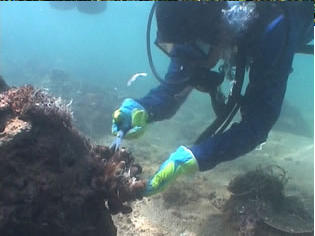
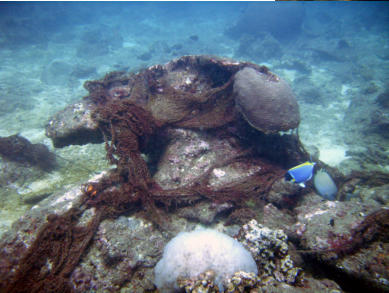
ORCA is engaged in a program to survey,
document and manage the rising and significant
phenomena of Invasive reef organisms that
periodically cause reef infestations causing
significant loss of Coral cover on Sri Lankan reefs.
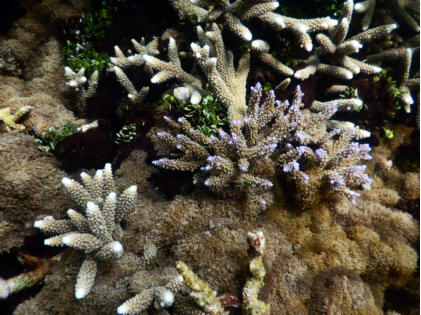
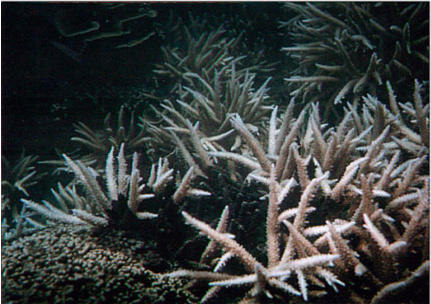
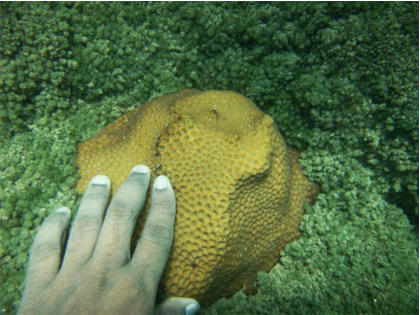
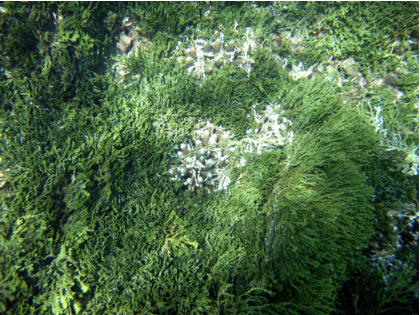
Corallimorphs
Caulerpa verticilliata Algae
Halimeda Algae
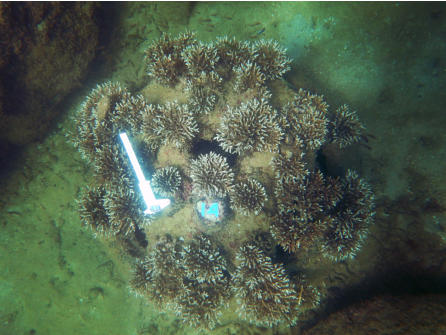
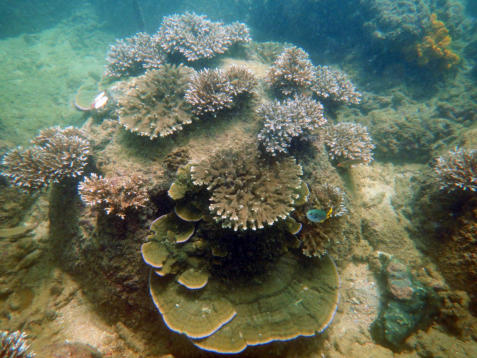
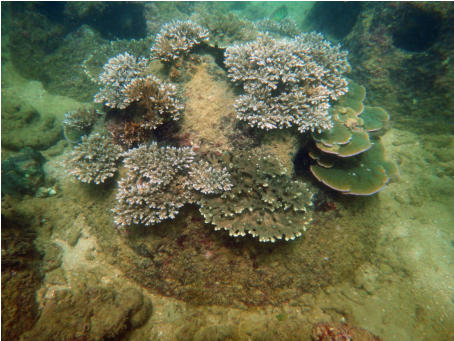
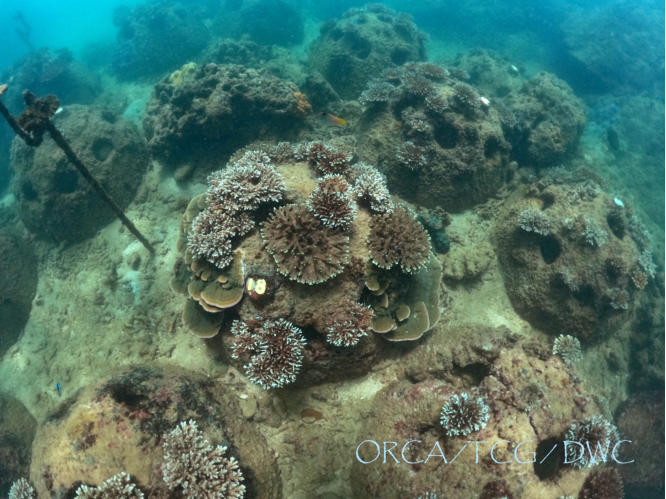
Restoring coral reefs, Habitat enrichment, coral
replanting and restoration of lost reef
biodiversity through translocation of lost coral
species.
The coral reefs degraded by Bleaching events and other
threats often struggle to survive and recover. most reefs
in the south coast had not recovered the damage caused
by the 1998 Bleaching event for the past 3 decades.
Globally coral reef restoration has become a key tool in
speeding up the regowth and restoration of coral reefs.
ORCA is continuing the program of coral reef restoration
initiated in 1996 by its sister organisation Natcog which
was the first attempt at coral reef restoration in Sri Lanka.
ORCA has been involved in coral reef restoration
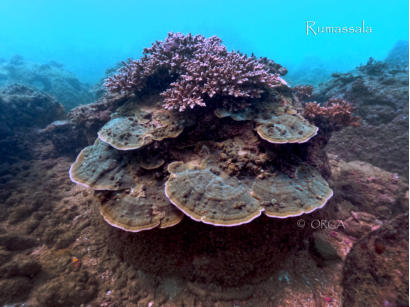
innovation and field implementation in Rumassala, Bar-
reef, Hikkaduwa, Kayankerni and Pasikuda coral reefs.
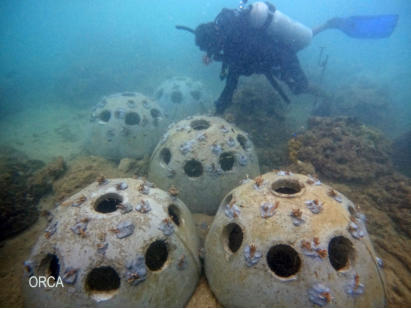
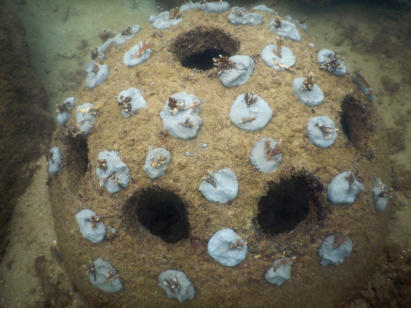
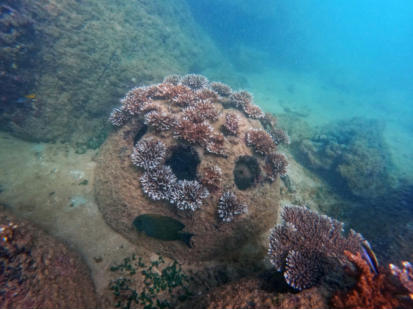
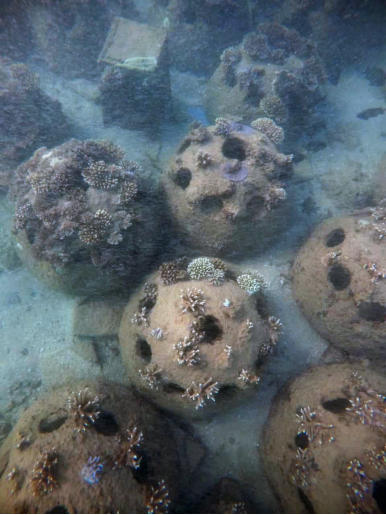
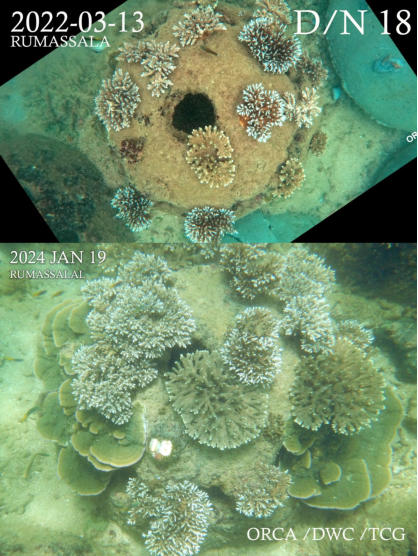
Currently ORCA in partnership with TOKYO cement group
implements a program in habitat and reef substate
restoration program using Dome type artificial substrates
and strategic coral replanting to maximise growth
potential and habitat restoration on the reefs.
ORCA has also conducted a coral translocation program to
reintroduce lost coral keystone species back to the
Southern coast of Sri Lanka in association with the
Department of Wildlife conservation and Tokyo cement
group. to translocate corals from Silawathura reef and
with additional contributions by Dr. Terney Pradeep
Kumara to setup a cluster of corals from Kayankerni reef.